The Safe Way to Handle Earwax Buildup (Hint: Put Down the Cotton Swab)
Nov 13, 2026
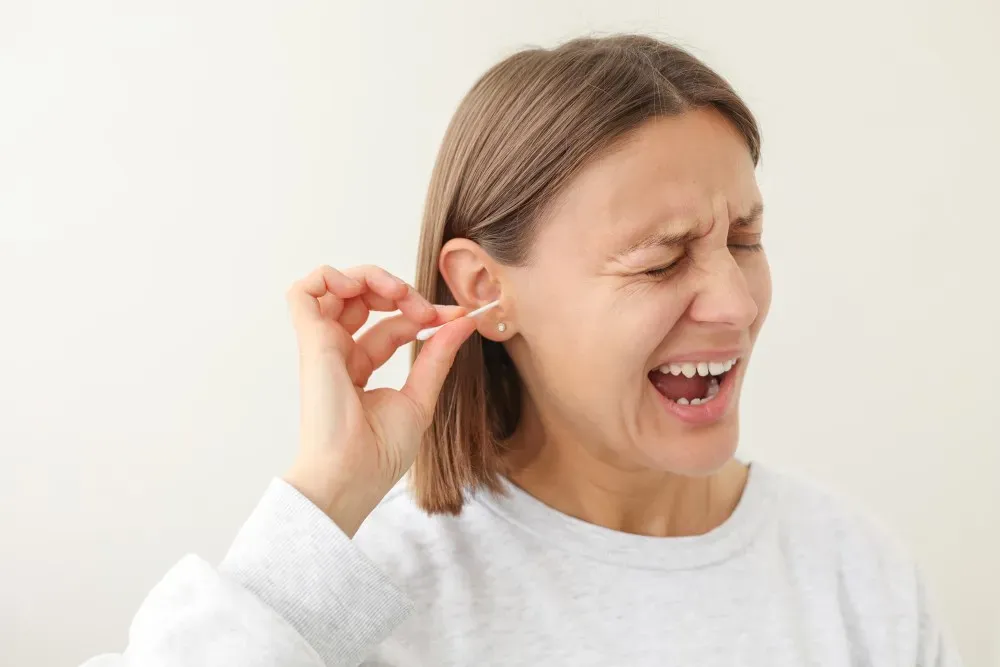
You step out of the shower, grab a cotton swab, and give your ears a quick cleaning. It feels like good hygiene, right?
Not necessarily. That familiar habit may actually push earwax deeper into your ear canal, making a blockage more likely.
At Michigan Avenue Primary Care in downtown Chicago, we help people sort out everyday health concerns, including uncomfortable ear symptoms. And with our affiliated Michigan Avenue ENT, specialized ear care is available when you need it.
Earwax, also called cerumen, isn’t dirt you need to scrub away. It’s part of your body’s natural defense system.
It helps trap dust and debris, keeps the delicate skin inside your ear canal from drying out, and provides some protection against infection.
Better yet, your ears are generally self-cleaning. Normal jaw movements help earwax gradually work its way toward the ear canal opening, where it can fall out or be wiped away.
For most people, there’s no need to clean inside the ear canal at all.
Cotton swabs may remove a little visible wax, but they can also push the rest farther inside.
Over time, that wax can become tightly packed, creating what’s known as cerumen impaction. Instead of feeling cleaner, your ear may start feeling blocked.
You also risk scratching the ear canal or accidentally damaging your eardrum.
Cotton swabs are fine for cleaning the folds of your outer ear. Just keep them out of the ear canal.
And while we’re talking about what to avoid, skip ear candles, too. They haven’t been shown to remove earwax effectively and can cause burns or other injuries.
Sometimes, earwax builds up faster than your ears can naturally clear it. This is more common in people who wear hearing aids or earbuds regularly, have narrow ear canals, or tend to produce thicker wax.
When buildup becomes a problem, you might notice:
These symptoms aren’t unique to earwax buildup. Ear infections and other conditions can cause similar problems, so it’s worth having your ears examined rather than assuming wax is responsible.
If your ears feel normal, the best approach is to leave your ear canals alone. You can gently clean the outside of your ears with a washcloth.
If you suspect a buildup, over-the-counter earwax-softening drops may help loosen the wax so it can move out naturally. However, they’re not appropriate for everyone.
Don’t use drops or flush your ears at home if you have ear drainage, significant discomfort, ear tubes, a known or suspected hole in your eardrum, or a history of ear surgery unless a clinician has cleared you to do so.
Resist the urge to dig out stubborn wax with a cotton swab, hairpin, or other object. You could turn a manageable problem into an injury.
If your hearing seems muffled, your ear feels persistently blocked, or home care hasn’t helped, it’s time for an examination.
Our primary care providers can examine your ears to determine whether wax is causing the problem or something else needs attention.
For persistent or more complicated symptoms, Michigan Avenue ENT offers specialized care for ear and hearing disorders. An ENT specialist can evaluate stubborn blockages, investigate hearing changes, and recommend appropriate treatment, including professional wax removal when indicated.
Don’t wait to seek medical care if you develop ear drainage, bleeding, or significant discomfort. Sudden hearing loss, in particular, needs urgent evaluation rather than an attempt to remove wax at home.
You don’t need perfectly wax-free ears to have healthy ears. In fact, a little earwax is doing exactly what it’s supposed to do.
If you’re dealing with persistent ear fullness or hearing changes, contact Michigan Avenue Primary Care or Michigan Avenue ENT in downtown Chicago. Our team can help you figure out what’s causing the problem and connect you with the right level of care.