Why All Women Should Screen for Breast Cancer
Oct 19, 2026
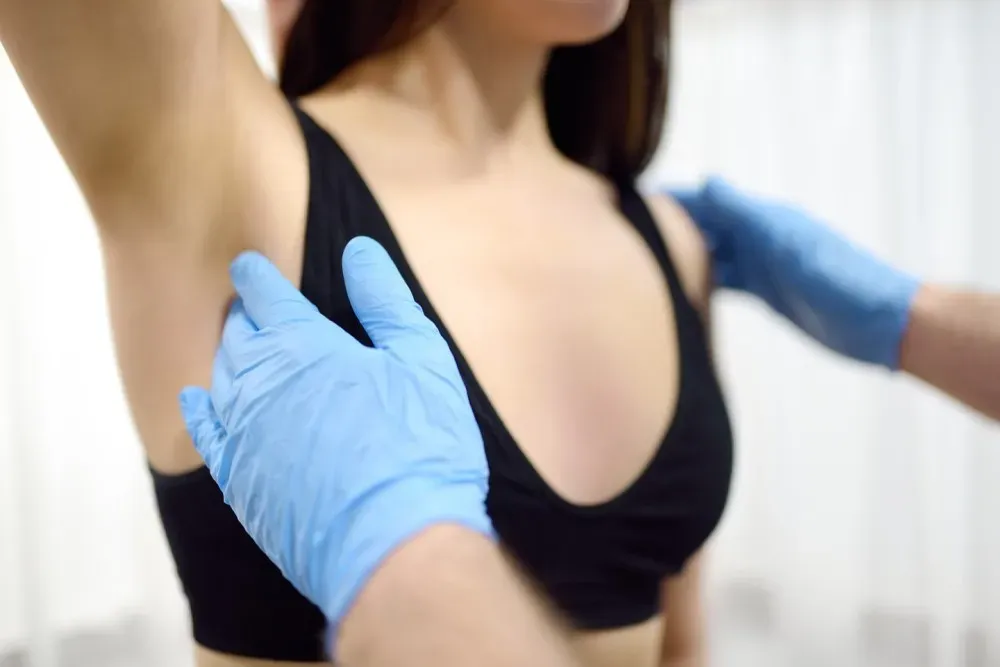
If you belong to a group that carries a 13% chance of developing a serious, and even life-threatening, condition, you want to take steps to protect yourself.
Well, that’s the case with breast cancer, which affects one in eight women and accounts for one out of every three cancer diagnoses in American women. More alarming still is the fact that breast cancer claims more than 42,000 lives each year in the United States, and our goal is to get this number down through better screening practices.
Since October is Breast Cancer Awareness Month, the multidisciplinary team at Michigan Avenue Primary Care, which includes specialists in women’s health, wants to underscore the importance of regular screening for breast cancer.
Below, we review screening recommendations for women, as well as risk factors that may change them.
Preventive screening is a valuable health practice that helps you stay one step ahead of many health conditions. This is especially important when it comes to aggressive conditions like breast cancer — the earlier we can detect a problem, the earlier we can intervene and stop it from spreading.
So, screening doesn’t prevent breast cancer, but it can very well save your life if we can contain and eradicate the cancer at the first signs of trouble. Conversely, later detection requires a more difficult journey and less successful outcomes the longer the cancer is left untreated.
The rates of breast cancer went steadily down since the 1980s thanks in large part to more screening and awareness. In recent years, however, rates are starting to tick upward again, and in younger women.
Given this changing landscape, screening recommendations for women of average risk should follow these guidelines:
This screening should continue as long as the woman is healthy and expected to live 10 years or more.
Please note that by screening, we’re referring to non-invasive imaging, such as a mammogram, MRI, or ultrasound.
Now let’s look at screening recommendations for women at higher risk. The factors that place women into this category include:
If any of these apply to you, then we might recommend earlier and more frequent breast cancer screenings.
To figure out where you fall on the risk scale for breast cancer and when you should screen, we invite you to contact our Chicago clinic today, which is conveniently located in The Loop, to schedule an appointment.